Source CE Certified Handheld Metal Detector for Security, Industry, Public
Compare 28 CE certified handheld metal detector options from verified Chinese suppliers. Buyers can evaluate models like the Vanta Element and HD20 for industrial, security, and public area applications with varying warranty and alarm features; compare the available evidence and request quotations based on your requirements.
Key considerations
Products List




Comprehensive Sourcing Guide
CE Certified Handheld Metal Detector Sourcing Guide
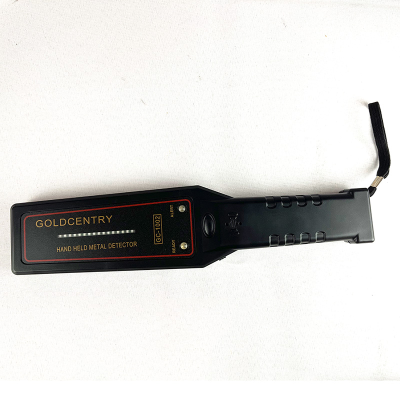
Procuring CE certified handheld metal detectors requires distinguishing between general security screening tools and specialized industrial alloy analyzers, as the market often conflates these distinct categories. Buyers must verify that the specific unit intended for public area security or factory screening explicitly lists CE certification and matches the intended detection principle, such as sound and light alarms for general use or spectroscopic methods for material identification. The observed product range includes devices with varying alarm forms, from shock alarms to display alarms, necessitating a clear definition of the operational environment before selecting a model.
The supply chain for these devices frequently originates from China, with specific manufacturing hubs like Shanghai noted for production. When evaluating listings, procurement teams should scrutinize the stated application, ensuring it aligns with the actual use case, whether it is for public area security checks, industrial alloy ID, or examination room screening. Misalignment between the claimed application and the device's technical capabilities, such as confusing a portable security detector with a fixed spectrometer, can lead to significant operational failures and compliance issues during deployment.
Product Scope and Observed Listing Signals
The observed market listings reveal a wide spectrum of product models, ranging from the AT2008 and Vanta Element to the HD20 and BVE-300HD, each serving different functional niches. Some units are explicitly designed as portable handheld security detectors with dimensions around 2956828mm, while others are non-portable flatbed systems or specialized spectrometers with UV wavelengths. Buyers must carefully parse the product attributes to ensure the device possesses the correct form factor, such as a thick Kapton window for specific spectral analysis or a standard wooden box for general transport, rather than assuming all listed items are interchangeable handheld detectors.
Listing signals regarding customization and packaging provide critical insights into the supplier's flexibility and logistics capabilities. Many suppliers offer customizable colors and packing options, ranging from simple paper packing to robust wooden boxes or metal outer boxes for large orders. However, the presence of "Non-Customized" attributes alongside "Customized" options in the same dataset indicates that buyers must explicitly request specific configurations to avoid receiving standard stock that may not meet unique operational requirements or branding needs.
Technical Specifications to Verify
Technical verification must focus on the excitation source and detection method, as these define the device's core capability and safety profile. For industrial applications requiring alloy identification, the presence of a 2-Watt X-ray tube with a 35kV tungsten anode is a critical specification that distinguishes high-end analyzers from basic security scanners. Conversely, for general security screening, the detection method should rely on electromagnetic induction rather than spectroscopic principles, and the alarm form must be appropriate for the environment, such as sound and light alarms for factory floors or display alarms for quiet examination rooms.
Buyers should also validate the physical specifications, including the dispersive element type and the device's portability status. While some models are described as portable with specific dimensions, others are classified as non-portable flatbed systems, which fundamentally changes the installation and workflow requirements. The warranty period, observed to range from one to two years or more, serves as a proxy for build quality, but the specific warranty terms must be confirmed against the actual model number to ensure coverage for the intended duration of use.
Compliance and Safety Documentation
Compliance verification extends beyond the generic CE mark to include specific standards like ISO and SGS, which are frequently cited in the product attributes. Procurement teams must request the full technical file to confirm that the CE certification covers the specific model and application, ensuring that the device meets the relevant European safety directives for electromagnetic compatibility and low voltage. The presence of multiple certifications in the listing suggests a robust compliance framework, but the documentation must be current and specific to the batch being purchased to avoid regulatory hurdles during importation.
Safety documentation is particularly critical for devices utilizing X-ray tubes or high-voltage components, as these introduce specific radiation safety requirements. Buyers must ensure that the supplier provides detailed safety manuals, radiation shielding specifications, and user training materials that align with local occupational health and safety regulations. The absence of clear safety data for high-energy devices can lead to liability issues, making it essential to verify that the product's standard compliance includes all necessary safety protocols for the intended industrial or public setting.
Cost Drivers and Commercial Terms
The cost of these devices is heavily influenced by the complexity of the internal technology, such as the inclusion of a grating spectrometer or a polychromator light system, which drives the price range from affordable entry-level units to high-resolution industrial analyzers. The observed price range of 1 to 25,000 USD reflects this disparity, with basic security detectors costing significantly less than specialized alloy ID tools. Buyers must align their budget with the required performance level, understanding that higher resolution and advanced detection methods command a premium price that may not be necessary for simple security screening tasks.
Commercial terms regarding minimum order quantities (MOQ) and lead times vary significantly across the supplier base, with observed MOQs ranging from single units to 100 pieces. The packaging method, whether it is a standard carton box or a specialized wooden pallet, also impacts the total landed cost due to shipping weight and volume. Procurement teams should negotiate clear terms for customization, as the availability of custom colors or specific packing configurations may incur additional fees or extend the lead time beyond standard delivery windows.
Supplier Qualification and Quality Control
Supplier qualification should prioritize manufacturers who demonstrate a clear track record in producing devices with the specific certifications and standards observed in the market, such as ISO and CE compliance. The origin of the product, often listed as China or specifically Shanghai, requires a thorough vetting process to ensure that the factory maintains consistent quality control measures and adheres to international production standards. Buyers should request evidence of past performance, including test reports and customer references, to validate the supplier's ability to deliver devices that meet the rigorous demands of industrial and security applications.
Quality control protocols must be established to verify that the delivered units match the specified technical attributes, such as the correct wavelength, alarm form, and warranty period. The variation in product attributes, including the presence of both customized and non-customized options, necessitates a strict inspection process to ensure that the final product aligns with the purchase order. Implementing a pre-shipment inspection that checks the physical dimensions, packaging integrity, and functional performance of the alarm systems is essential to mitigate the risk of receiving non-compliant or defective equipment.
Long-Term Procurement Checks
Long-term procurement success depends on establishing a reliable support structure for warranty claims and technical maintenance, as the observed warranty periods range from one to over two years. Buyers should negotiate clear service level agreements that define the response time for repairs, the availability of spare parts, and the scope of coverage for the specific model purchased. The complexity of devices like the Vanta Element or BVE-300HD requires specialized technical support, making it crucial to verify that the supplier has the capacity to provide ongoing assistance throughout the device's lifecycle.
Continuous monitoring of the supplier's ability to maintain product consistency and update compliance documentation is vital for long-term operations. As regulations evolve, the supplier must demonstrate the agility to update their products to meet new standards, ensuring that the fleet of detectors remains compliant and operational. Regular audits of the supply chain and periodic reviews of the device performance against the original specifications will help identify any drift in quality or functionality, allowing for proactive management of the procurement relationship.
FAQs
What certifications do these handheld metal detectors have?
These devices carry CE and ISO certifications as documented in the product specifications. Some models also meet SGS standards. Buyers should verify specific certification documents for each unit before finalizing procurement to ensure compliance with local regulations.
Can I request customization for the product color?
Yes, customization is available for the product color on select models. The standard options include black, but buyers can request specific shades. This service allows for branding alignment while maintaining the core detection capabilities required for industrial or security applications.
What is the warranty period for these detectors?
Warranty periods vary by model, ranging from one year to over one year. Some specific units offer a two-year warranty coverage. Buyers must check the specific product model details to confirm the exact duration applicable to their purchase and intended usage environment.
How are these products packed for shipping?
Packaging options include wooden boxes, metal outer boxes, or paper packing depending on the model. Large orders may utilize plywood pallets for stability. The specific packing method is determined by the product model and order volume to ensure safe transit from the factory.
Where are these handheld detectors manufactured?
These products originate from China, with specific manufacturing locations noted as Shanghai for certain models. Buyers can expect supply chains rooted in this region. Origin details are critical for logistics planning and understanding the production capabilities of the available supplier base.
What is the minimum order quantity for these items?
The minimum order quantity ranges from one unit up to one hundred units depending on the supplier. Specific models may have different thresholds. Buyers should confirm the exact MOQ with the vendor to align with their procurement budget and inventory requirements.
Are these detectors suitable for public area security checks?
Yes, these devices are designed for use in public areas, factories, and examination rooms. They feature sound and light alarms for effective detection. Their application scope includes industrial and security check environments where reliable metal detection is essential for safety protocols.